
Powered by RedCircle
2021 prices are gone and sellers are finally coming to terms with reality. But what's next? Cory Wright, owner and managing broker at William Wright Commercial, sits down with Adam & Matt for an unvarnished health check across every asset class in the world of commercial real estate. They dig into why office is drawing serious buyers, how some industrial now sells for less than it costs to build, and the case for the buildings nobody wants. He also unpacks the development logjam choking new supply and the overlooked secondary regions where savvy money is heading. Have we hit the floor? What is everyone sleeping on? And is the worst over?
Why Class B Industrial in BC’s Secondary Markets Is 2026’s Smartest Commercial Buy
Here’s a take you won’t hear from most brokers chasing shiny new listings: the best commercial real estate opportunity in British Columbia right now isn’t a gleaming new industrial development with soaring ceilings and a price tag to match. It’s the older, unglamorous Class B unit sitting next door to it.
Cory Wright, owner and managing broker at William Wright Commercial — the largest dedicated commercial brokerage in BC by office count — made this case plainly in a recent episode of the Vancouver Real Estate Podcast. And frankly, the logic is hard to argue with.
What You’ll Learn
The New Construction Trap Nobody’s Talking About
New industrial product in BC got very expensive, very fast. Projects that once carried price tags in the high $700s per square foot are now moving — slowly — at $525 to $550 a foot, with some developers even floating lease-to-own arrangements just to reduce carrying costs on unsold inventory.
That’s not a sign of a healthy market for new product. That’s a signal that buyers are absorbing the correction.
And here’s the thing: if you bought at $775 a foot and the market is now transacting at $525, you’re sitting on a significant paper loss. Worse, that’s a tier-one asset in a market where buyers are scarce and expectations have reset hard.
“If you look at the tier one stuff, tier one being new construction, there are some phenomenal projects… and now the developers are sitting on tons of unsold inventory and are pretty much looking to… you might be doing a deal at $550 or $525 a foot.”
— Cory Wright, Owner & Managing Broker, William Wright Commercial
Class B doesn’t have that problem. Why? Because it never got bid up to irrational levels to begin with. And when the correction came, it had far less distance to fall.
The “Tide Raises All Boats” Principle
Wright’s argument for Class B industrial in secondary markets comes down to one elegant idea: proximity to Class A creates rental upside without Class A’s price risk.
If a Class B unit is getting $10 a foot in rent and the Class A next door is getting $20, the next lease renewal on that Class B isn’t going to come in at $10. The market won’t allow it. Tenants weighing options will push the Class B rate up — maybe to $15 — simply because the Class A sets the comparison point.
You capture the upside. Without paying for it upfront.
“If I have a class B asset within a stone’s throw of a class A asset, and I’m getting $10 a foot and the class A is getting $20, there’s a high probability my renewals are $15. Because that class A just brought my value up, purely based on market demand.”
— Cory Wright, Owner & Managing Broker, William Wright Commercial
And in Kelowna, for example, Wright notes you can buy Class B industrial for $200 to $250 a foot — below what it would cost to reproduce. That’s the replacement cost floor at work. Nobody’s going to build a competing product at a loss, which means your asset faces minimal new supply pressure.
Four Secondary Markets Worth Watching
Wright is direct about which BC markets he finds compelling right now: Kelowna, Vernon, Kamloops, and Nanaimo. Victoria gets an asterisk — downtown vacancy has crept up, and the absence of international students has been a drag on that specific market.
What ties the other four together? Constrained land supply.
Kelowna sits on a lake. Geographic limits box in future development. Nanaimo is seeing ongoing population growth up-island, driven partly by affordability. Kamloops and Vernon benefit from the broader Okanagan momentum.
But Wright is emphatic on one point. A Kamloops address alone doesn’t make a property a good investment. Location within these markets matters as much — maybe more — than the market itself.
“Buying something in Kamloops because it has a Kamloops address, and you think it’s in the downtown core, doesn’t mean success. Location, location, location.”
— Cory Wright, Owner & Managing Broker, William Wright Commercial
In Nanaimo specifically, Wright frames the replacement cost argument clearly: if you buy an asset at a five-cap rate that would cost $5 million to reproduce but you’re paying $3 million, nobody is going to buy land and build a competing property at a $5 million cost to then sit at a two-and-a-half cap. The math doesn’t work. Which means your asset isn’t going to face new competition anytime soon.
Why Small-Bay Industrial Is Quietly Shifting Back to Owners
For years, investors flooded into small-bay industrial — units under 2,500 to 3,000 square feet — because prices kept rising and vacancy kept tightening. The owner-occupier share, once dominant, shrank as investor demand piled in.
That’s reversing now.
With prices correcting and investor returns compressed, the business owners who always preferred owning their own space are coming back into the market. Wright estimates the ratio may be approaching 50-50 between owner-occupiers and investors, down from the investor-heavy peak years.
For buyers with a long horizon, that’s a meaningful signal. This asset class is slowly returning to fundamentals.
What is Class B industrial real estate?
Class B industrial refers to older or more basic warehouse and light industrial properties that lack the premium features — ceiling heights, modern loading bays, second-floor offices — of newly constructed Class A buildings. They typically command lower rents but also carry lower purchase prices.
Why are BC secondary markets attractive for commercial real estate in 2026?
Secondary markets like Kelowna, Nanaimo, Kamloops, and Vernon have constrained land supply, ongoing population growth, and commercial assets trading well below replacement cost. New competing supply is unlikely because the economics of building don’t work at current prices.
Is new industrial construction a good buy right now in BC?
According to Cory Wright, new construction industrial carries meaningful price risk because projects that were pre-sold at high $700s per square foot are now transacting significantly lower. Buyers of new product are the most exposed to continued price softness.
What does "replacement cost" mean and why does it matter?
Replacement cost is what it would cost to rebuild an asset from scratch today, including land and construction. When you can buy an existing property below that number, new competing supply is unlikely to emerge — because no developer would build at a loss.
How is the investor-to-owner-occupier ratio changing in small-bay industrial?
Wright notes the ratio has shifted significantly toward investors over the past decade, but is now trending back toward owner-occupiers as investor returns have compressed. This rebalancing toward end users tends to stabilize pricing over time.
What's the biggest mistake commercial sellers make in the current market?
Overpricing. Wright is direct: commercial listings don’t carry fine print about acceptable offers — the listed price is the stated price. Buyers see a large gap between asking and fair value and simply move on. Sellers who price at market generate activity; those chasing 2021 values sit.
Guest Information
Cory Wright is the founder and Managing Director of William Wright Commercial. Cory founded the company in 2013 on the premise that having more offices in more markets would create a competitive advantage for clients looking to have portfolios throughout the province. Cory oversees the day-to-day operations of the businesses, the company’s expansion, and growth, while working closely with the company’s Team Leaders, Agents, and Managing Brokers to ensure the clients have the most up to date data and information to evaluate the customer experience when making key decisions.
William Wright Commercial operates offices in 6 of BC’s most desired real estate markets.



The BC election gets even more interesting as we dig deeper into the policies and strategies shaping the campaign. In part 2, Stephen Gammer breaks down the proposed tax changes, the PST, housing and real estate, government spending, and what a change in government could mean for businesses, investors, and the broader BC economy.
Why is BC heading to the polls early, and what does the snap election mean for the province’s economy and real estate market? Stephen Gammer, William Wright Commercial’s unofficial political expert and former political staffer, breaks down the BC election and what could be at stake for real estate, housing, taxes and businesses.
How is BC’s commercial real estate market really doing in 2026? Cory Wright and Rod MacKay hand out their mid-year report card, grading multifamily, office, industrial, and retail while breaking down what’s driving the market.
Alex Taylor, Founder and CEO of CommercializeIQ, breaks down how CommercializeIQ helps owners and operators bring together information from spreadsheets, leases, emails, and accounting systems to streamline portfolio management and reduce manual work.
From bad lease advice to costly negotiation mistakes, AI is already changing commercial real estate. Cory speaks with Jerry Shi of Redpoint Law about the opportunities, risks, and why experience still can't be automated.
Cory and Rod MacKay, team leader at William Wright Commercial Vancouver, break down the BC and federal governments' plan to purchase 2,200 unsold condos across the province. They unpack the real numbers behind the $3.2 billion announcement, who stands to benefit, and what it could mean for housing affordability in BC.
2021 prices are gone and sellers are finally coming to terms with reality. But what's next? Cory Wright, owner and managing broker at William Wright Commercial, sits down with Adam & Matt for an unvarnished health check across every asset class in the world of commercial real estate.
Johannes Van Leenen, President of Fifth Avenue Properties, unpacks the realities of development across Western Canada and beyond. He discusses why Alberta continues to attract investment, how BC regulations are impacting condo development, the shift toward rental projects, and what developers are really facing with financing, pre-sales, DCC costs, and government policy.
Construction activity across Metro Vancouver is changing, with developers adjusting how projects are planned, financed, and delivered. Ben Temple, Business Development Manager, and Darren Sauer, Director of Development at Wales McLelland, discuss the shift toward owner-user projects over speculative development, as well as emerging demand in sectors like self-storage and data centres.
Investorpreneur Peter Leung joins us for a wide-ranging conversation on global markets and investment trends. Peter shares his perspective on the broader economic landscape, how international events are influencing Canadian markets, and what investors should be watching right now.
Stephen Gammer, Senior Broker and Partner at William Wright Commercial’s Fraser Valley office, breaks down BC’s 2026 Provincial Budget. With his background in provincial politics, Stephen unpacks the expanded PST on professional services, rising deficits, growing debt costs, and what it all means for developers, landlords, and tenants.
Is Nanaimo the next breakout market in BC? Evan Richardson from William Wright Commercial breaks down why investors are turning their attention to Nanaimo. From population growth and limited commercial supply to national retailers entering the market, he unpacks why this Vancouver Island city could be one of the most exciting places to invest in 2026.
Cory welcomes back Brad Jones, Chief Development Officer at Wesgroup, to unpack why building new housing has become so challenging in today’s market. They discuss everything from massive upfront costs and rising municipal fees to the unintended consequences of consumer protection legislation like the Real Estate Development Marketing Act (REDMA).
This week, Cory welcomes back Alan Haigh of Impact Commercial to break down what’s really happening in the commercial lending market. Alan covers where interest rates and bond yields are sitting, how lenders are viewing risk right now, and what that means for investors moving into the next phase of the cycle.
Is deal momentum finally returning, or is the market just catching its breath? Cory Wright and Rod MacKay sit down for an honest pulse check on commercial real estate. From buyer expectations and pricing gaps to asset classes showing early signs of life, this conversation cuts through the noise and focuses on what actually matters right now.
Cory sits down with Western Investor editor Peter Mitham to reveal the Top 5 Western Canadian real estate markets to watch in 2026. From Kelowna’s land opportunities to Nanaimo’s resilient multifamily sector, Edmonton’s rising rents to Regina’s affordability advantage, and Winnipeg’s booming industrial demand—let's go!
Ryan Wong and Tony Liu, co-founders of Wong & Liu Valuation Group, unpack the realities of BC’s commercial real estate market heading into 2026. From cooling industrial and development land values to the surprising strength of retail and multifamily assets, Ryan and Tony offer a data-driven look at what’s really happening on the ground.
Jon Switzer and Amanda Lam from Impact Commercial break down how interest rate cuts, sticky bond yields, and shifting asset class demand are shaping the finance landscape. From the slowdown in construction loans to the resurgence of retail and office, Jon and Amanda share what they’re seeing on the front lines and where the smart money is moving.
Raymond Wong, Vice President of Data Solutions at Altus Group, shares a nationwide look at the commercial real estate landscape. With access to some of the most comprehensive data in the industry, Raymond unpacks key trends driving the Canadian market—from shifts in industrial and multifamily demand to evolving dynamics in office and retail.
Sean Hodgins, President of Century Group, discusses the challenges and opportunities of large-scale development. Sean shares insights from the proposed redevelopment of the Tsawwassen Town Centre, including the hurdles of navigating community pushback, the realities of working within Official Community Plans, and the delicate balance between housing, amenities, and political pressures.
After a summer hiatus, Cory is back with Rod MacKay, Team Lead at William Wright Commercial's Vancouver office, to break down what’s really happening in the commercial real estate market. From pricing realities to pent-up demand, retail resilience to surprising signs of life in the office sector, this episode offers a candid, on-the-ground look at where the market stands today and what could be coming next.

Robin Kelley, Partner at Groupe Denux, shares the operations, challenges, and rewards of managing some of Canada’s most recognizable buildings. From navigating tenant relationships to handling emergencies and long-term capital planning, Robin shares what goes into keeping commercial assets running smoothly and profitably.

What's driving the surge of investor interest in retail? Is industrial still the safe bet it once was? David Basche, President of Astria Properties, returns to share how his firm is expanding from industrial into retail projects and why certain markets like Vancouver Island and Alberta are catching their eye.

Think golf courses are just for birdies and bogeys? Think again. Marianne DeCotiis of William Wright Commercial unpacks one of the most surprising sectors of commercial real estate: golf courses. From multi-million dollar land plays to resort-style development potential, she shares why these sprawling green spaces are catching serious investor attention.

Clay Spalding, founder of Wild Flour Pizza Co, shares how he turned a pandemic pivot into one of Metro Vancouver’s fastest-growing pizza concepts. From creating the menu to managing sky-high demand on delivery apps, Clay dishes on what sets Wild Flour apart and why crafting great pizza is only half the battle.

Raffael Merola, Principal at Merola Construction, breaks down the realities behind restaurant and retail build-outs. From permitting pitfalls to HVAC nightmares, Raf shares hard-earned advice that could save months of delays and tens of thousands of dollars. If you’re thinking of opening a restaurant, or representing someone who is, this episode is essential listening.

As we hit the midpoint of 2025, where does the commercial lending market stand and where is it headed? Alan Haigh, Founding Partner at Impact Commercial, shares expert insights on the complex forces shaping real estate finance today. From rate expectations to deal structure trends, this episode offers a timely pulse check on commercial real estate lending across Western Canada.

Rod MacKay, the newly appointed Team Lead at WWC’s Vancouver office, joins us for a deep dive into the concept of the 1031 exchange and its potential impact on Canada’s commercial real estate market. Cory and Rod unpack how this U.S.-style tax deferral strategy could unlock stagnant inventory, encourage reinvestment, and even support small businesses by allowing capital gains to be deferred—not forgiven.

Greg Mitchell, Director at GDM Consulting Group, explores what it takes to bring a real estate development from raw land to a completed project. Greg shares insights into the full development cycle, discusses developer-friendly regions, and outlines how design, strategy, and process intersect to create successful outcomes.

Antony Sulentic, Acquisition Manager at PC Urban, explores the exciting developments happening in the rental housing market. Antony brings his expertise to the table as we discuss the regions PC Urban is actively building in, the factors driving their decisions, and how their projects are addressing housing needs in today's dynamic real estate landscape.

Industrial lands planning expert Eric Aderneck offers an insightful discussion on the industrial real estate sector. From politics to tariffs, Eric provides a unique bird’s-eye view of what’s shaping the industry today. Despite the uncertainties in the market, we unpack how end users are still making moves, with properties priced right selling quickly.

Doug O’Dwyer from Axis Insurance clears up the confusion and shed light on some of the most common misconceptions surrounding commercial property insurance, explain why costs fluctuate, and offer insights into the factors that influence your policy requirements. If you’ve ever felt unsure about what you need or why, this conversation is for you!

The long lost missing recording of Doug Porter, Chief Economist of BMO Canada, unwrapping the 2025 Outlook - recapped by Rod MacKay. What does 2025 hold for political outcome, political uncertainty, interest rates, and potentially the real estate market? Tune in and find out!

Many commercial landlords assume property taxes are set in stone, but Vance Leschuk, President of Add-Vance Consulting, a leading expert in property tax appeals, breaks down how owners can challenge their assessments and potentially save thousands. In an economic climate filled with uncertainty, understanding your options for reducing expenses is more critical than ever.

Chris Kasianchuk, Vice President of Sustainability at Warrington PCI Management, explores the growing impact of sustainability in Vancouver and Victoria’s commercial real estate markets. Chris unpacks the role of sustainability in reducing greenhouse gas emissions, the increasing demand for green buildings among tenants and investors, and the evolving regulatory landscape.

Jon Switzer, Managing Partner at Impact Commercial, dives into the current commercial real estate lending landscape. Jon shares his insights on where interest rates are trending, the impact of the latest Bank of Canada rate cut, and what it means for investors. He also breaks down key market trends, the potential effects of capital gains tax changes, and the looming 25% Trump tariffs set to take effect.

Industry experts Spencer Welton, Senior VP of Development at Grand Peaks, and Scott Glazebrook, Architect and Partner VP at Tiscareno, explore the changing landscape of Seattle's real estate market. They dive into the evolving world of multifamily housing, urban planning, and the unique challenges faced by developers in the post-COVID era.

To kick-off 2025, we’re joined by Santanna Portman of William Wright Commercial’s Central Island office to dive into the exciting investment opportunities emerging in Nanaimo for 2025. With its booming population, forward-thinking local government, and affordable market compared to Vancouver, Nanaimo is quickly becoming a hotspot for real estate investment.

In this year-end episode, Cory and Adam dive into the 2025 commercial real estate landscape with an in-depth analysis of key asset classes, sharing expert predictions and actionable insights. Reflecting on the lasting effects of the pandemic and other pivotal events, they explore emerging trends and highlight promising investment opportunities.

Is the commercial real estate market finally turning a corner? The latter half of 2024 provides compelling clues. Cory Wright, Founder & Managing Broker of William Wright Commercial, discusses how the market has transformed through recent interest rate challenges and what changing pricing and returns mean for investors in different markets across the province.

Cory and Melisa deliver the ultimate holiday gift: a step-by-step guide to doubling your cash position in commercial real estate. Learn how to identify markets with robust population and industry growth, understand lease rates and vacancy trends, and why short-term leases and current market cap rates are essential for mitigating risk.

Derek Fluker, Senior Vice President of Acquisitions & Asset Management at Wesgroup Properties, discusses how changes in capital gains inclusion rates, Metro Vancouver’s fee increases, and shifting market dynamics are influencing whether developers hold onto income-generating properties like shopping centres or pursue new housing developments.

It's that time of year again! Cory and Melisa welcome back Rod MacKay for their annual rundown of Canada's top cities to invest in for the coming year. With years of experience and an insider's perspective, Rod brings his seasoned insights to reveal the hottest markets for 2025.

Peter Mitham, Editor of Western Investor, spotlights five promising Canadian real estate markets that investors should have on their radar. With decades of experience covering commercial real estate, economic trends, and business insights, Peter shares his expert analysis on key markets across the country and what makes each one worth watching.

Patrick Wood of William Wright Commercial's Victoria office, also known as William Wright’s unofficial in-house economist, brings his analytical prowess to the table and dives deep into the recent interest rate changes and what they mean for BC’s real estate landscape.

Cameron Archer, Director of Sales and Marketing at Orion Construction, returns to dive into the latest trends and developments in the industrial sector across British Columbia. From the challenges of the current market to emerging opportunities, Cameron shares valuable insights on what’s driving the industrial landscape in BC.

Shelby Kostyshen and Nick Renton from William Wright Commercial in Kelowna dive deep into the industrial real estate market in the Okanagan, uncover the best value for industrial assets, and share insights on how the market is performing.

Andrew Laurie and Brett Jeffrey from Rain City Industrial, Western Canada’s premier design-build firm for industrial workspaces, dive into the industrial asset market, exploring cold storage and processing sectors and discussing how the market is performing.

Kane Willmott, CEO and Co-Founder of iQ Offices, Canada's leader in coworking and serviced office solutions, shares his expert insights on how the coworking landscape has evolved, the significant shifts before and after the pandemic, and where the industry is headed. This episode offers a deep dive into the future of flexible workspaces across Canada.

Peter Leung, Investorpreneur, dives into the latest interest rate trends and how they impact the commercial real estate market. Peter shares his insights on why now is the time to invest in commercial properties, which markets are catching his eye, and where he sees the most potential for growth.

Alan Haigh from Impact Commercial unpacks the recent interest rate drop and its impact on the real estate market, diving into how these changes are shaping the fall market and what investors and developers can expect in the coming months. Tune in to hear Al's take on the future of rates, the opportunities they present, and how the real estate landscape might shift as we move into the new season.

Nick Renton, Commercial Real Estate Broker at William Wright Commercial, shares a comprehensive overview of the BC and Okanagan real estate markets. With over 13 years of experience in credit and investment within retail and business banking, Nick leverages his extensive background to uncover real estate opportunities across the Okanagan and BC.

Stephen Jagger, Co-Founder of addy, began his entrepreneurial journey with Combustion Hosting and continued with Ubertor Realtor Software, OutsourcingThingsDone.com, PayrollHero, and Instant Messaging Real Estate Corp. Stephen shares his insights on revolutionizing the real estate industry to make homeownership accessible to everyone through addy.

Rocky Sethi, Managing Director of Stryke Group, unpacks the groundbreaking project near Penticton Regional Hospital, the Innovation District. Rocky reveals the ambitious vision for a master-planned, mixed-use community featuring up to 1,500 homes and over 100,000 square feet of retail, office space, and other commercial uses.

Jon Switzer of Impact Commercial dives into the recently announced interest rate changes, discussing what these shifts could mean for the commercial real estate market and sharing his expert predictions on future interest rate trends. Don't miss this insightful episode packed with valuable information for investors and real estate enthusiasts alike.

Scott McInnes, Partner and Lawyer at Redpoint Law, unpacks the crucial elements of estoppels and shareholder agreements, emphasizing the significance of precise contract wording. With his extensive legal expertise, Scott offers invaluable insights into why every detail matters in contract formulation and execution.

With the changes to Canada's capital gains taxes slated to come into effect on June 2nd, Ben Vella of Rain City Industrial, who previously shared his expertise on commercial real estate accounting, is back to unpack the effects of the new capital gains rules. Ben discusses the implications of these changes, what investors need to know, and how to strategically navigate the new landscape.

Cory and Adam take center stage to deliver an essential mid-year review of the hottest investment markets for 2024, revealing the prime locations ripe with opportunity. Cory and Adam break down the top-performing markets and emerging hotspots, offering expert analysis and actionable insights to help you make informed investment decisions.

Recently recognized as one of Business in Vancouver’s Forty Under 40, Brad Jones, Senior Vice President of Development at Wesgroup, unpacks the critical topics of Development Cost Charges (DCCs) and Community Amenity Contributions (CACs). With a focus on affordability and sustainability, he explores the challenges and opportunities facing future developments.

With a passion for simplifying real estate development through innovative technology, Geoff Krahn, Founder and CEO of Reveloper, dives into the concept of taking control of your land and maximizing its development potential. He discusses the various options available to landowners and provides valuable insights into navigating the complex world of real estate development.
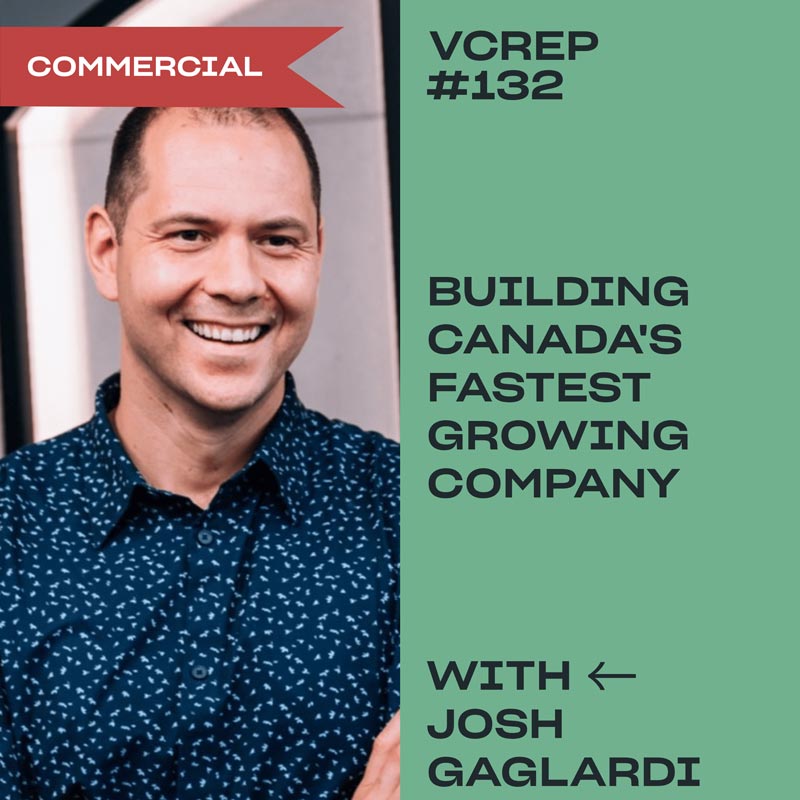
Joshua Gaglardi, Founder and President of Orion Construction, unpacks the company's extraordinary journey to success. From negotiating contracts exceeding $2 billion to overseeing millions of square feet of developments, he delves into the strategies and principles that have propelled Orion Construction to the forefront of the industry.
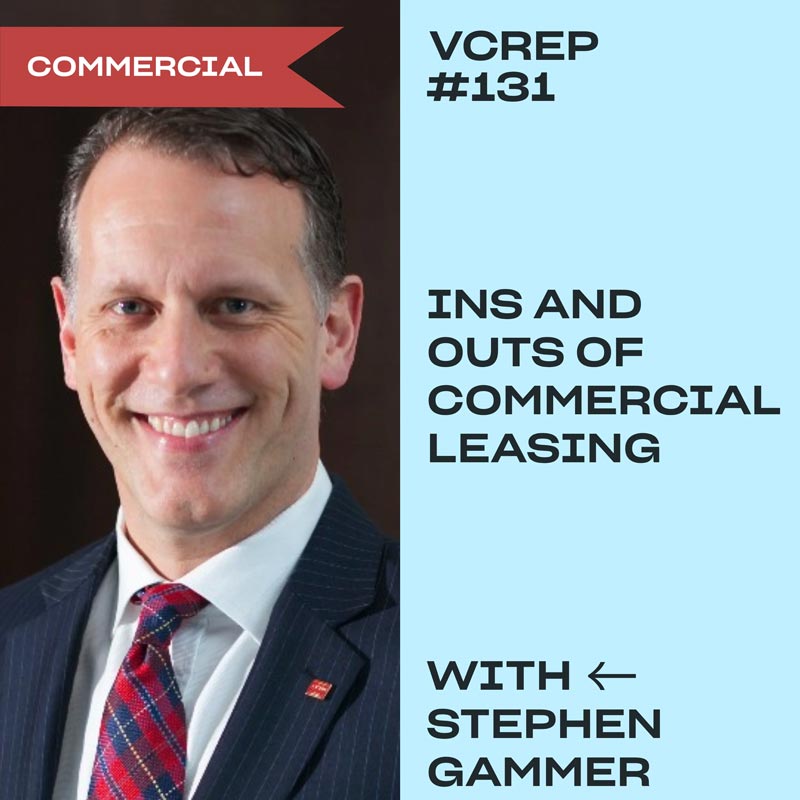
Stephen Gammer, with over 15 years of experience in the Commercial Real Estate industry, shares his invaluable insights on what to expect during the commercial lease process, common pitfalls to avoid, and strategies to negotiate win-win situations for all parties involved.
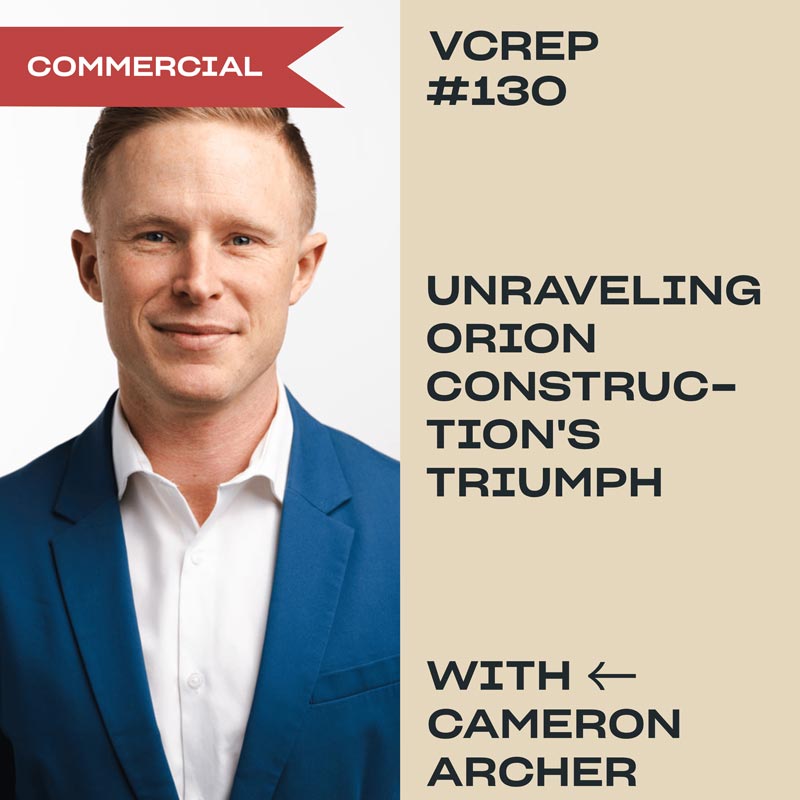
Cameron Archer, Director of Sales and Marketing at Orion Construction, shares how they’ve managed to excel in a competitive market, from leveraging his background in managing industrial projects to nurturing client relationships. Also… listen in to learn how you can enter our Nickelback ticket draw!
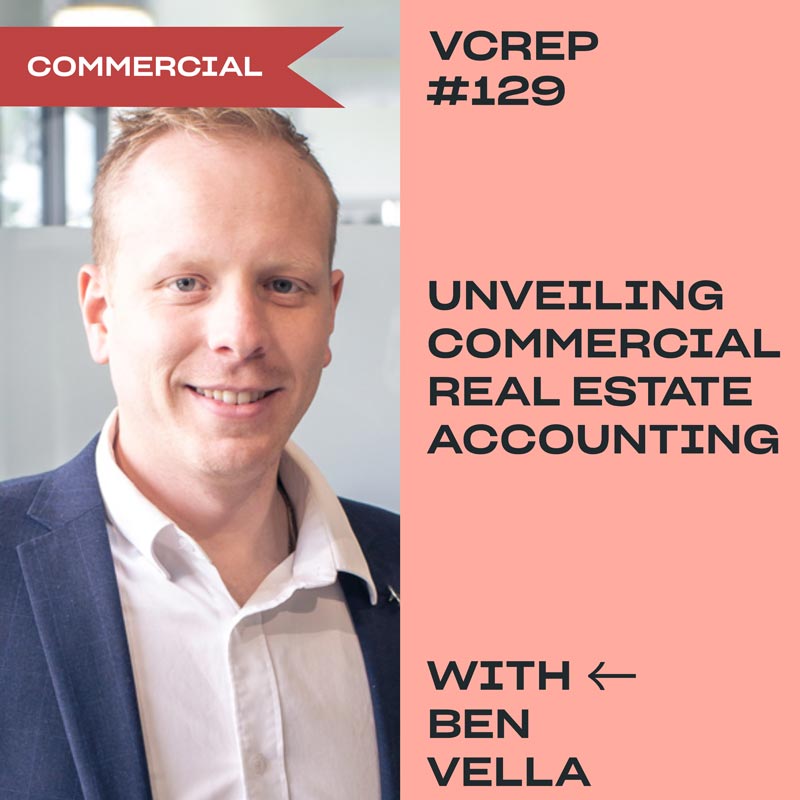
Ben Vella, Chief Financial Officer of Rain City Industrial, delves into the intricate world of commercial real estate accounting. Ben sheds light on the crucial role of financial management in commercial real estate projects. From managing budgets to identifying cost savings opportunities for clients, Ben shares valuable insights on optimizing cash flow structures and maximizing tax savings.

Stathis Michael Savvis, Commercial Real Estate Broker at William Wright Commercial, unpacks the endless commercial real estate opportunities awaiting in Maple Ridge, accentuating its pro-business ethos and promising growth prospects within the Greater Vancouver area.

Nathan Armour, Team Lead at William Wright Commercial's New Westminster office, brings a wealth of expertise spanning property valuations, business sales, and investment opportunities. Gain insights into market trends, areas of activity, and the ever-evolving landscape of commercial real estate as Nathan unpacks his extensive knowledge.
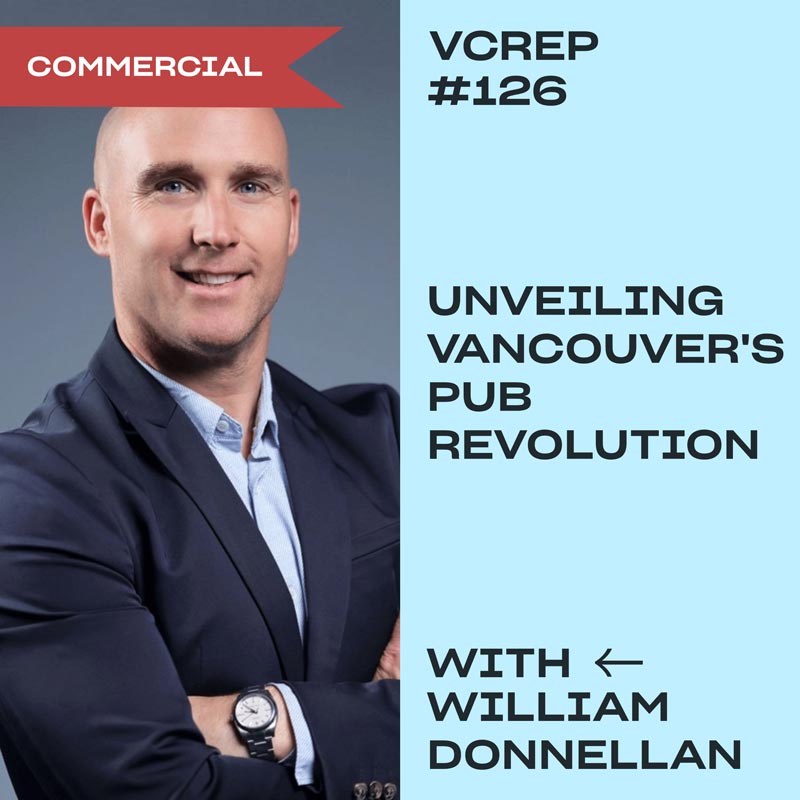
With a vision to elevate the hospitality scene, William Donnellan, CEO and Founder of IRL Group, has been steering the expansion of Irish-inspired pubs throughout Vancouver. Gain insights into how IRL Group navigated the complexities of a post-pandemic market, adapting and expanding to meet the demands of a changing landscape.

David Basche, President of Astria Properties, provides unparalleled insights into the industrial asset class and its dynamic landscape. Delving into the nuances of industrial real estate, he also explores the evolving trends in the office asset class, including the topic of rezoning, particularly the shift from industrial to office sparked by recent industry trends.

Anita Chang, Partner with EY, discusses the intriguing intersection of entrepreneurship and real estate ventures. Anita shares EY's Entrepreneur Of The Year program, unveiling the significance and opportunities it presents for entrepreneurs in the real estate arena.
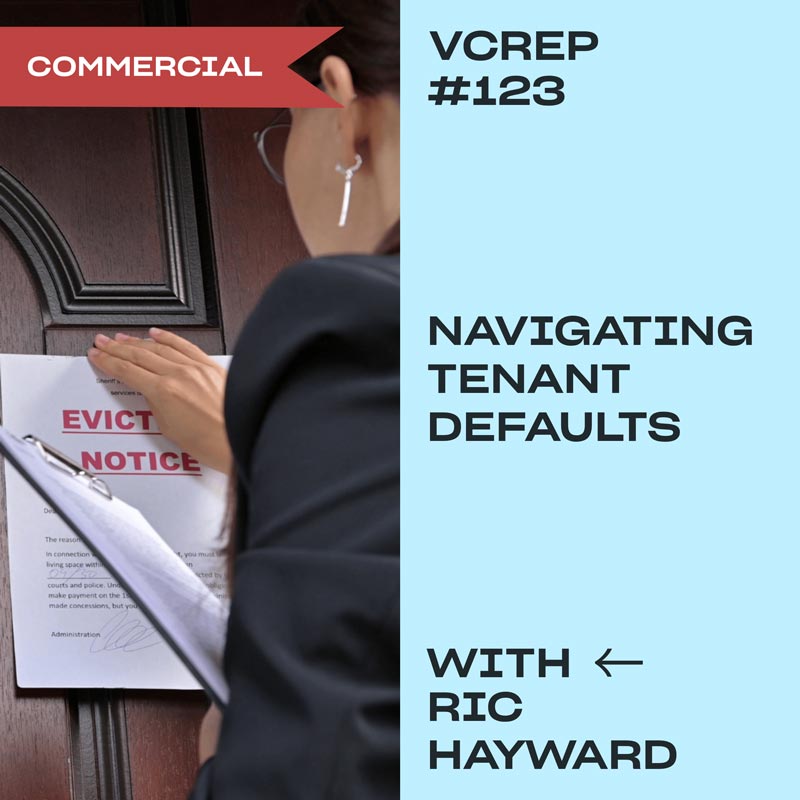
Ric Hayward of Lower Mainland Bailiff guides landlords through the intricate process of handling tenant defaults, offering indispensable insights into how bailiffs can serve as a valuable resource for both parties involved. Gain a comprehensive understanding how leveraging the expertise of a bailiff can be instrumental in resolving such situations.
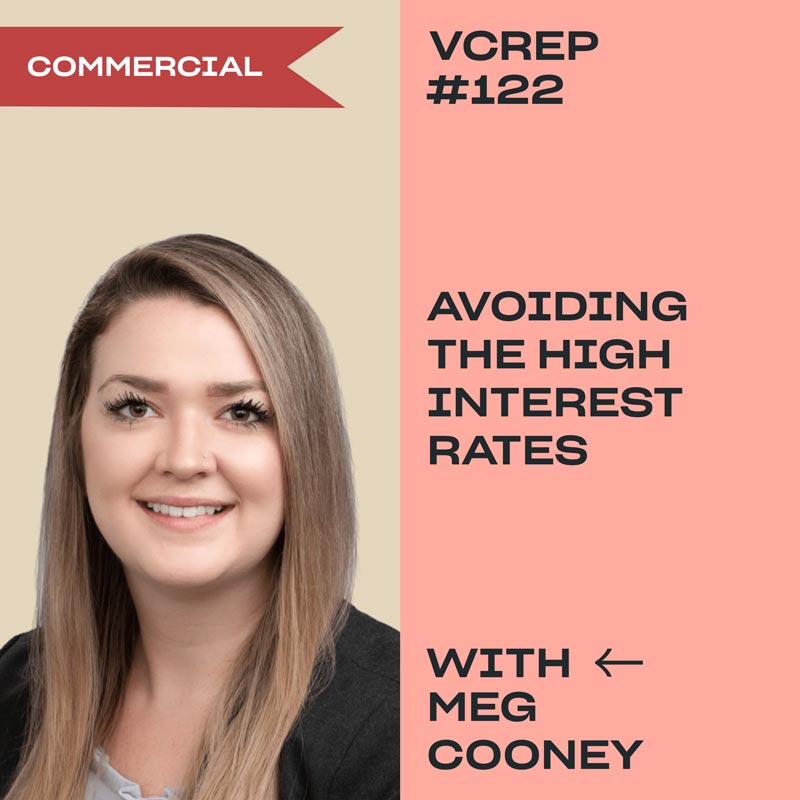
Meg Cooney, seasoned Commercial Real Estate Broker from William Wright Commercial's Vancouver office, takes center stage to share insights into the world of pre-sale strategies in commercial real estate. This episode offers a valuable exploration of pre-sale tactics and market insights.
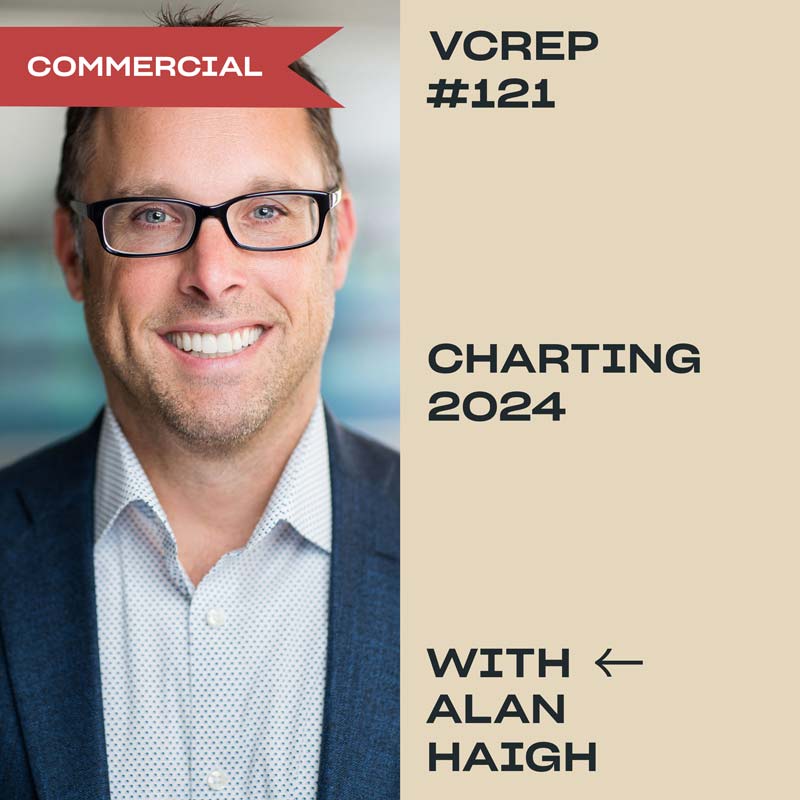
With his finger on the pulse of the real estate landscape, Alan Haigh of Impact Commercial provides a roadmap for the year ahead. Amidst market turbulence involving interest rates and inflation, Alan offers clarity on potential rate trajectories, strategies for seizing opportunities during market volatility, and insights to steer investors in the right direction.
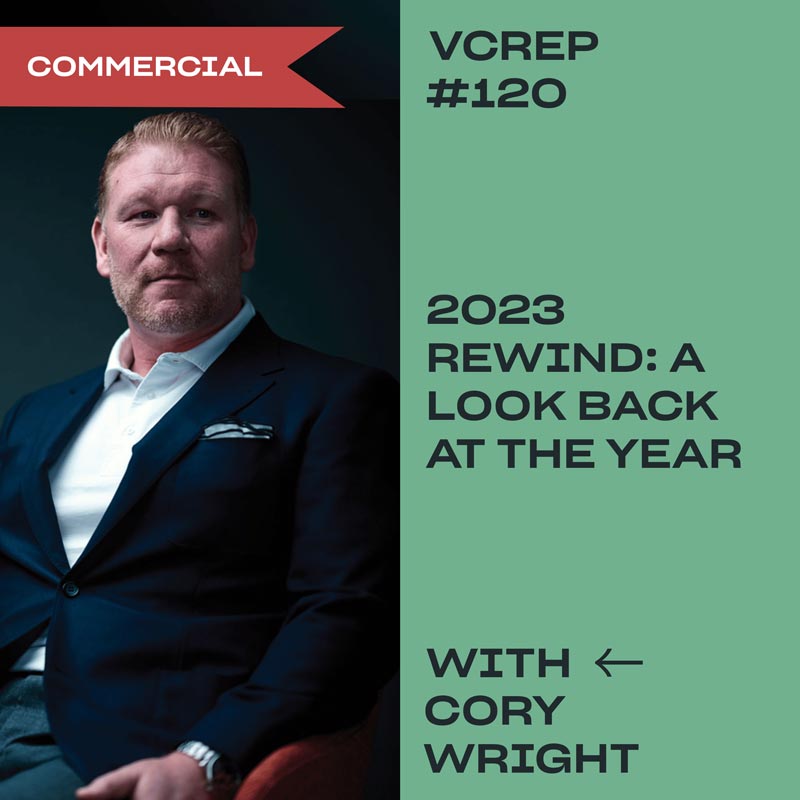
In this concluding episode of the year, Matt and Cory offer a comprehensive summary of the year's journey through the dynamic world of commercial real estate. Together, they explore the transformative shifts within various asset classes, shedding light on how the commercial real estate landscape has evolved.
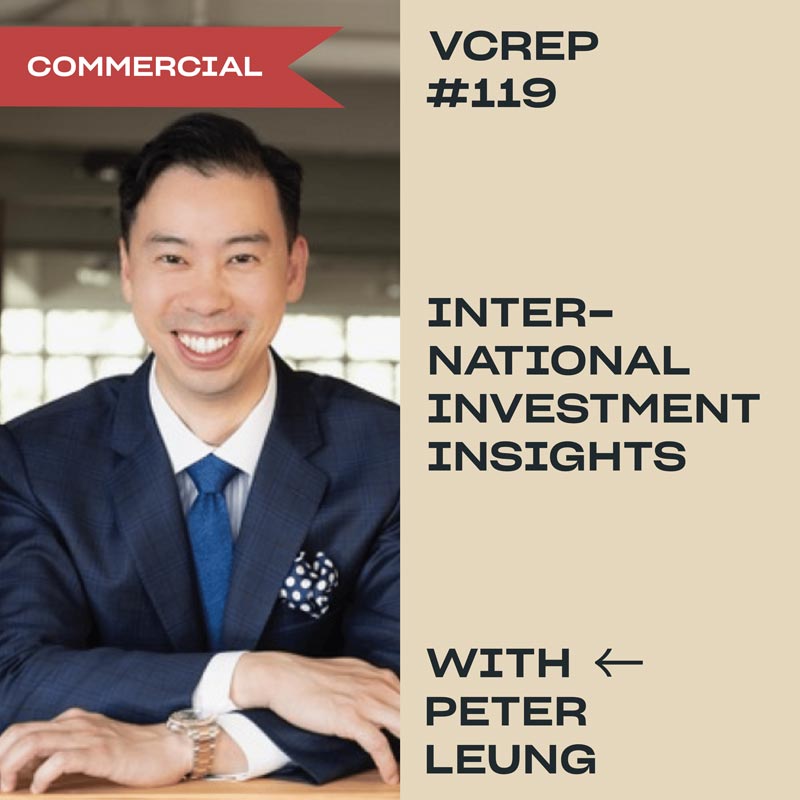
With an expert grip on international markets, Peter Leung, esteemed "Investorpreneur" and international correspondent, offers exclusive insights that can truly give investors a competitive edge. Explore his surprising viewpoints on the buy-sell dilemma and get ready to be astonished by his current pick for the ultimate investment hotspot.
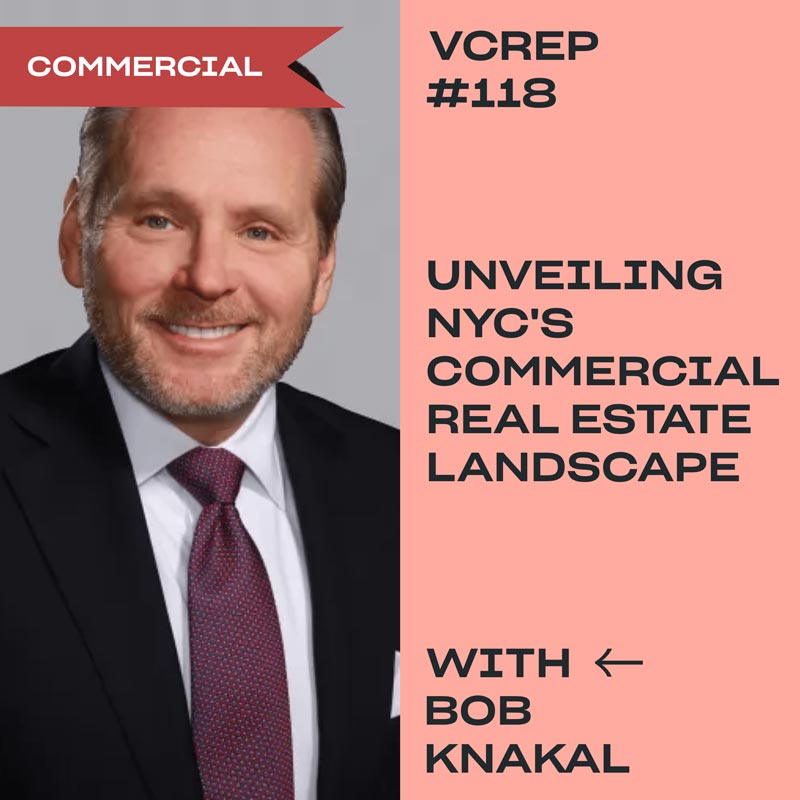
Bob Knakal, a distinguished figure in New York City's commercial real estate scene, boasting an impressive 40-year tenure in the industry, delves deep into the intricate details of the NYC office market, the current vacancy rates, trends, and surprising lease rates for prime retail spaces.
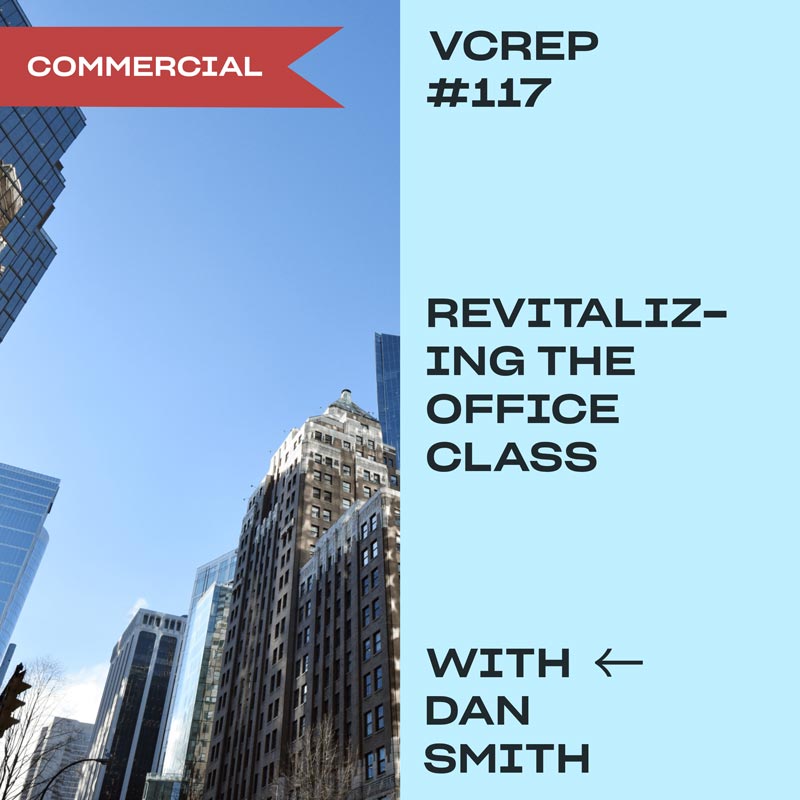
Dan Smith, the driving force behind commercial leasing at Reliance Properties, takes center stage to delve into the pulse of the current commercial real estate market. Tune in to discover Dan's insights into the potential resurgence of the office asset class.

This week features an insightful conversation with Eric Wainwright, Managing Director of STOREYS. STOREYS covers and reports on the Toronto housing market. Being a leader in publishing digital content, Eric unpacks his thoughts on the current real estate market, from interest rates to challenges developers are facing and more.
It's time to reveal the top 5 commercial investment markets for 2024! Cory and Rod MacKay from WWC Vancouver break down the most promising opportunities for the year ahead. These markets offer above-average returns with significant potential for increased net operating income, paving the way for substantial equity gains.
As we step into the fall, anticipation builds for the unveiling of the Western Investor's top five cities to invest in for the year ahead. Frank O'Brien from the BIV Media Group, the editor behind the insightful Western Investor reports, presents the prime cities for commercial real estate in 2024.
Shelby Kostyshen, commercial real estate expert from the William Wright Commercial Kelowna office, sheds light on Vernon, a city that's recently seen an uptick in growth. Could Vernon be the next Kelowna? Shelby unpacks specific asset classes that mirror the trends unfolding in Kelowna.
Byron Chard, President and CEO of Chard Development, provides a comprehensive overview of the current state of the commercial real estate market. Byron sheds light on the recent GST changes affecting purpose-built rentals. What do these changes mean for investors and how are they impacting Chard Development's strategies?
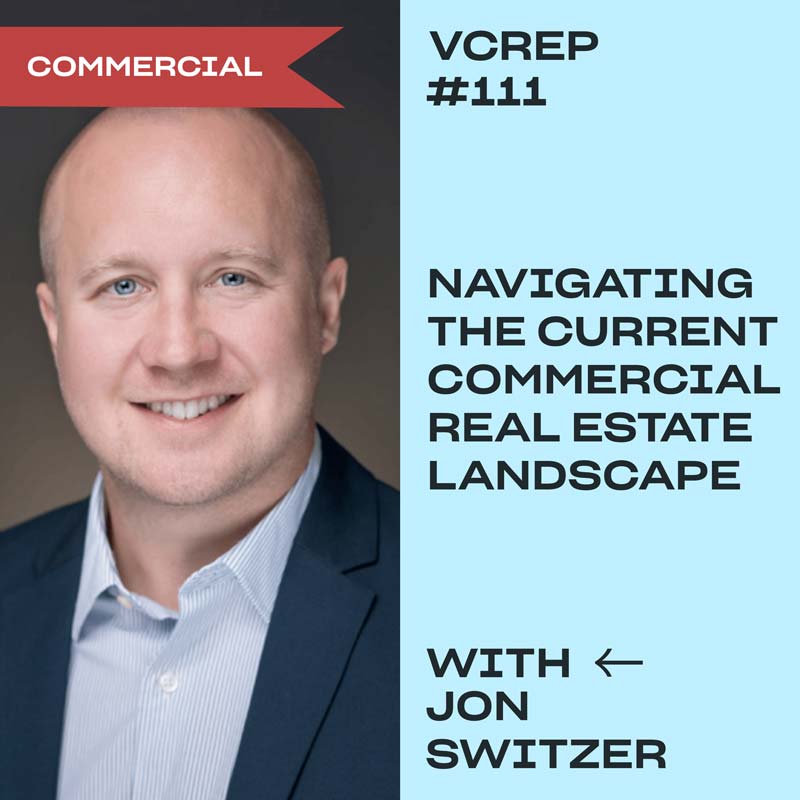
As a hands-on expert, Jon Switzer of Impact Commercial shares invaluable insights into the commercial real estate landscape, offering listeners a comprehensive view of the present and a glimpse into the future. Tune in for an informative conversation that promises to shed light on the ever-evolving world of commercial real estate.
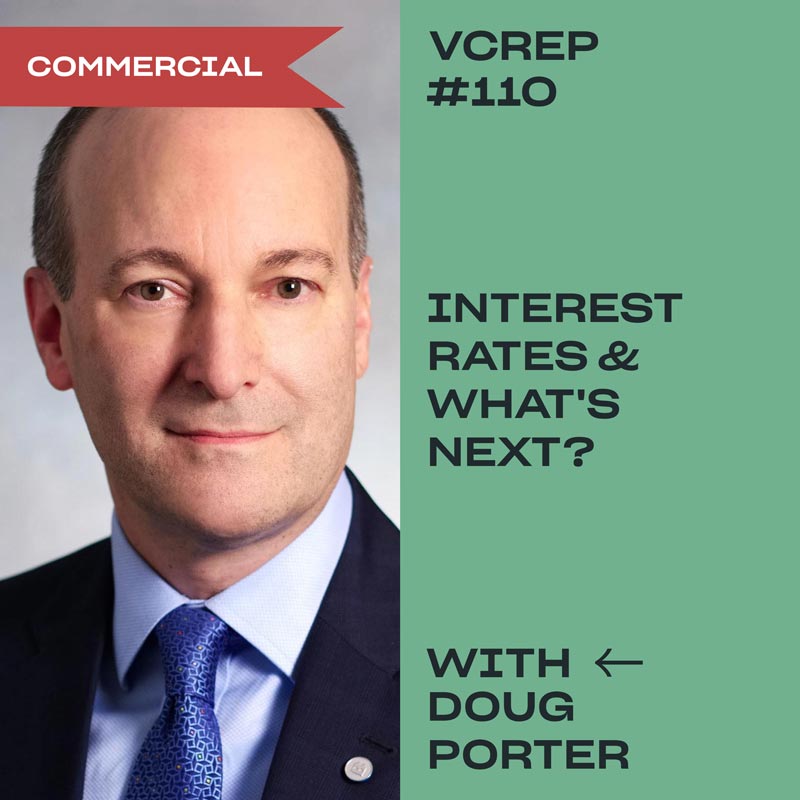
Back by popular demand, Douglas Porter, Chief Economist and Managing Director of Economics at BMO Financial Group, provides unparalleled insights into the current landscape of interest rates and offers a crystal-clear view of what lies ahead. Will the trend continue its upward trajectory or are we on the brink of a shift?
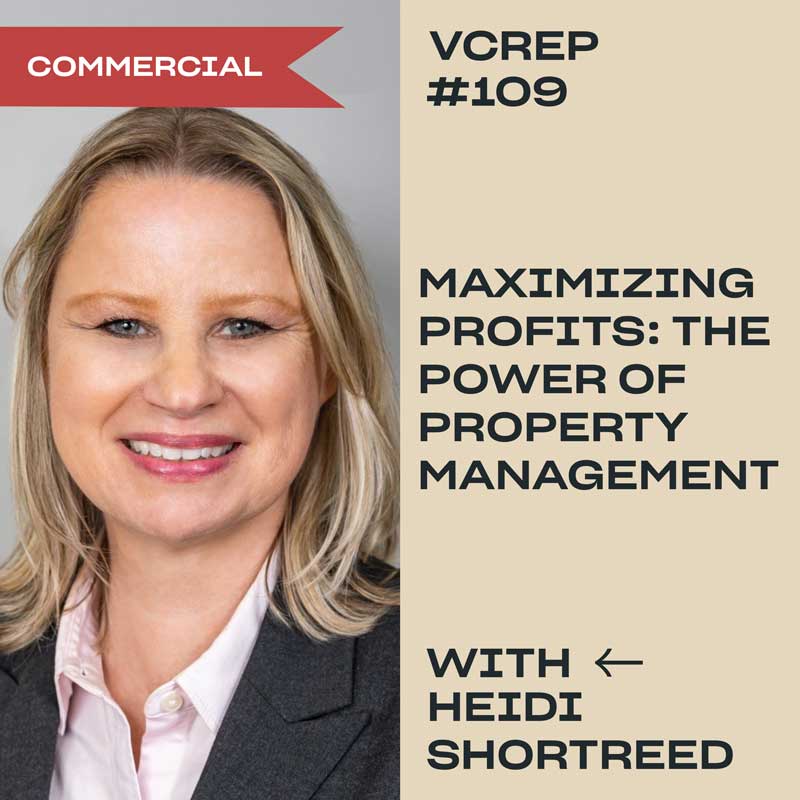
Heidi Shortreed from Vedderbrook Properties unveils the secrets to unlocking hidden profitability within your real estate ventures through the strategic use of property management. Tune in as Heidi shares her invaluable insights on how a seasoned property manager can be the key to turning your building into a revenue-generating powerhouse.
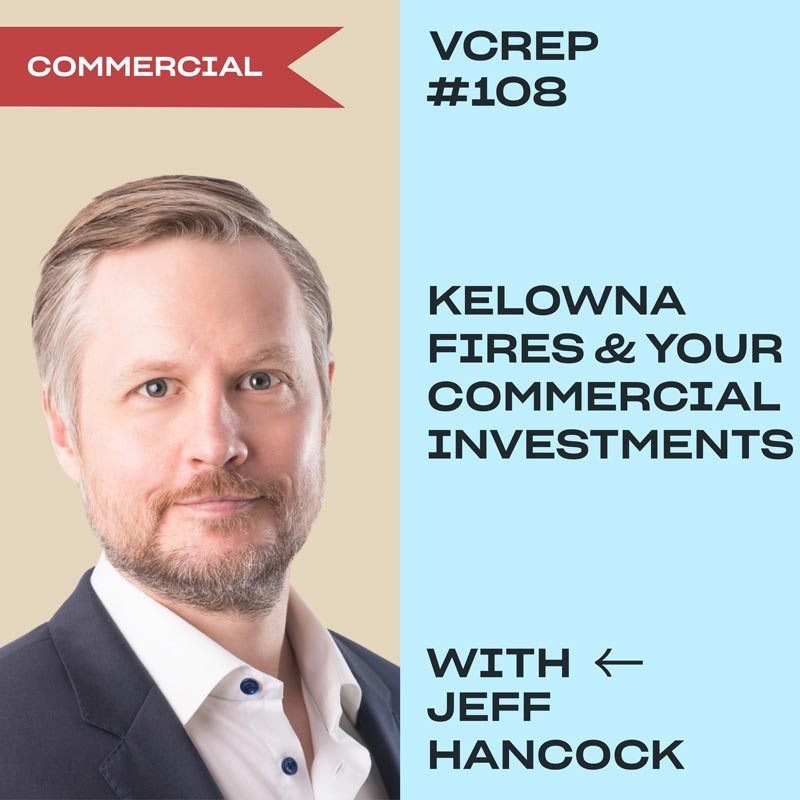
Jeff Hancock, who specializes in land development at the WWC Kelowna office, discusses the effects the recent forest fires have on the local market. These annual occurrences have become a part of life for this vibrant Okanagan city that has become a bubble for real estate development over the past few years.

Santanna Portman, Commercial Sales and Leasing Specialist at William Wright Commercial, dives into the vibrant commercial landscape that defines Vancouver Island, shedding light on key trends, emerging opportunities, and the evolving dynamics that shape this ever-changing landscape.
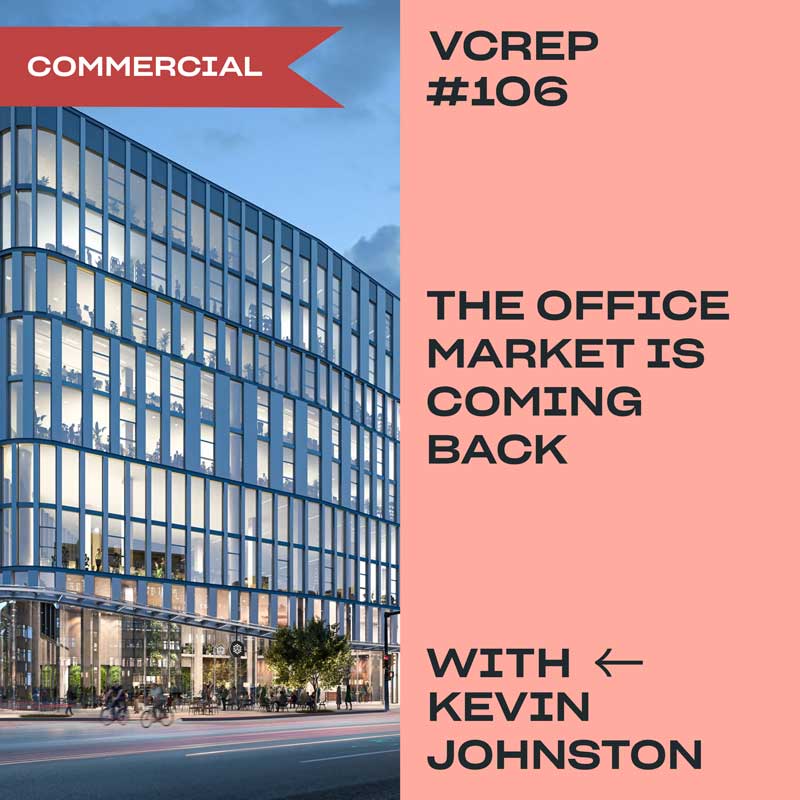
Kevin Johnston, President of Strand, shares his expert perspectives on the market's current landscape and interest rates, and unpacks the opportunities and challenges that shape Vancouver's real estate scene. We also dive into the office asset class, which seems to be bubbling under the surface with potential.
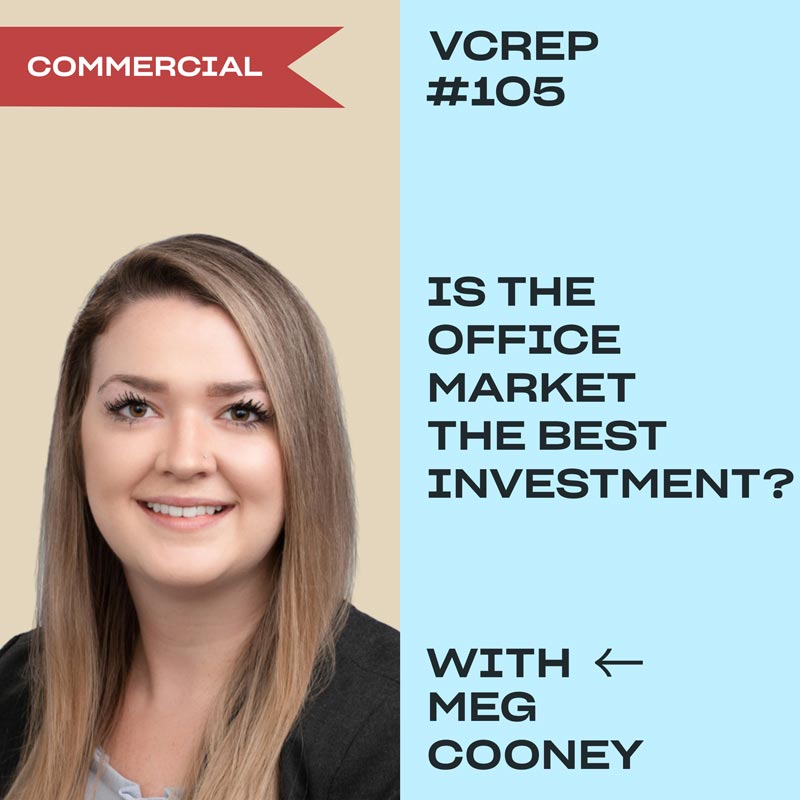
Meg Cooney, Commercial Real Estate Broker at WWC Vancouver, dives deep into a transformational approach that draws people back to offices without enduring long commutes. This isn't just a discussion about office spaces—it's a blueprint for redefining the future of our communities.
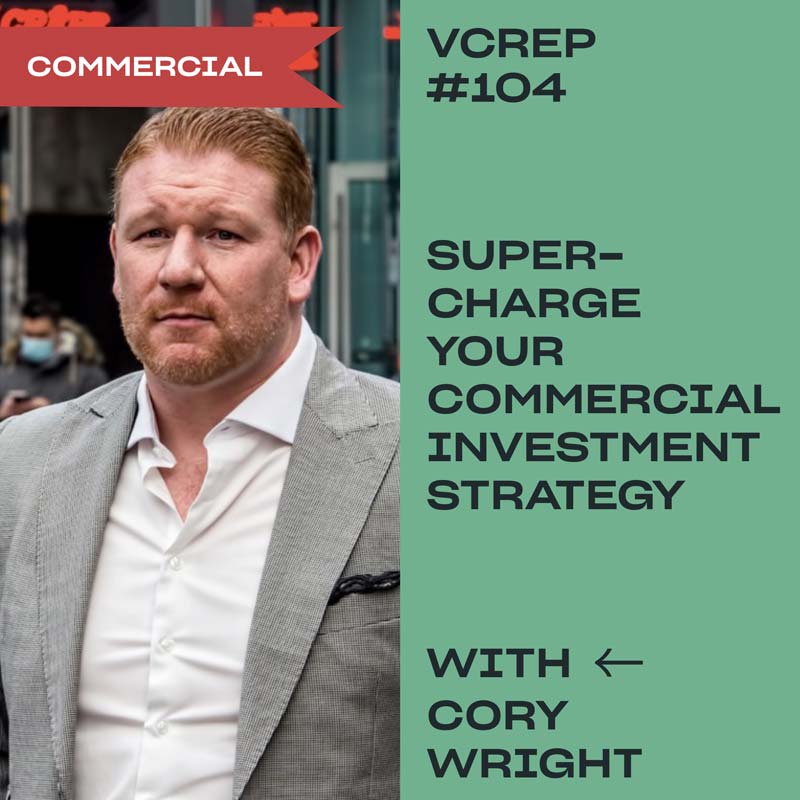
Cory Wright, Founder of William Wright Commercial, avid real estate investor, and—most importantly—one of the best dealfinders we’ve ever met, holds a master class on how to choose residential and commercial real estate markets, find and analyze the best deals, and implement advanced strategies to supercharge your portfolio.
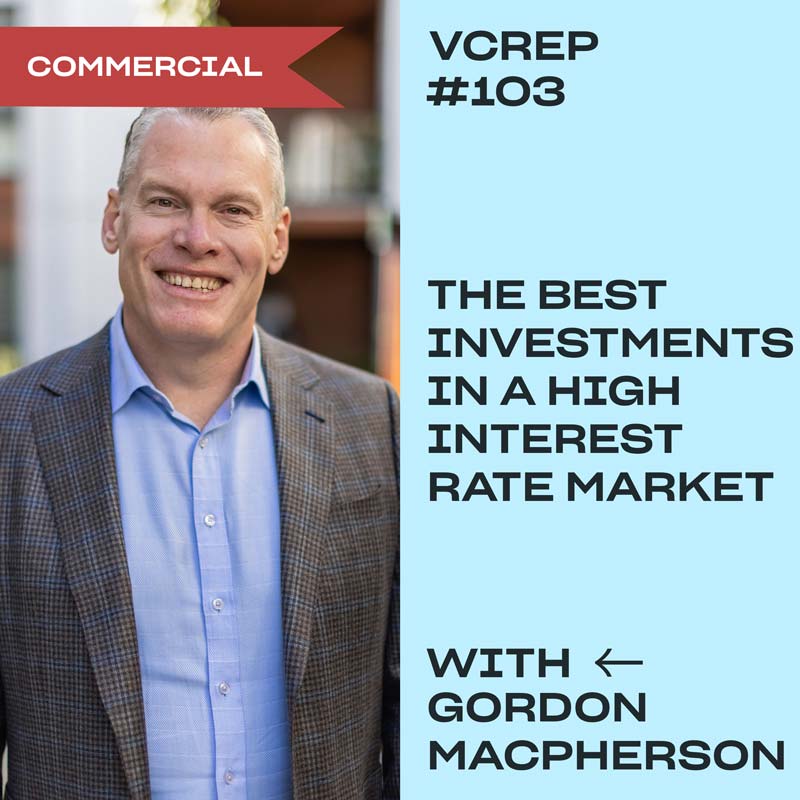
Gordon MacPherson, President of Elevate Development Corp, provides expert insight into the current real estate market and its dynamic nature. We talk about how different asset classes have been affected since the pandemic, and gain valuable knowledge on the evolving trends in walkable village concepts within various areas.
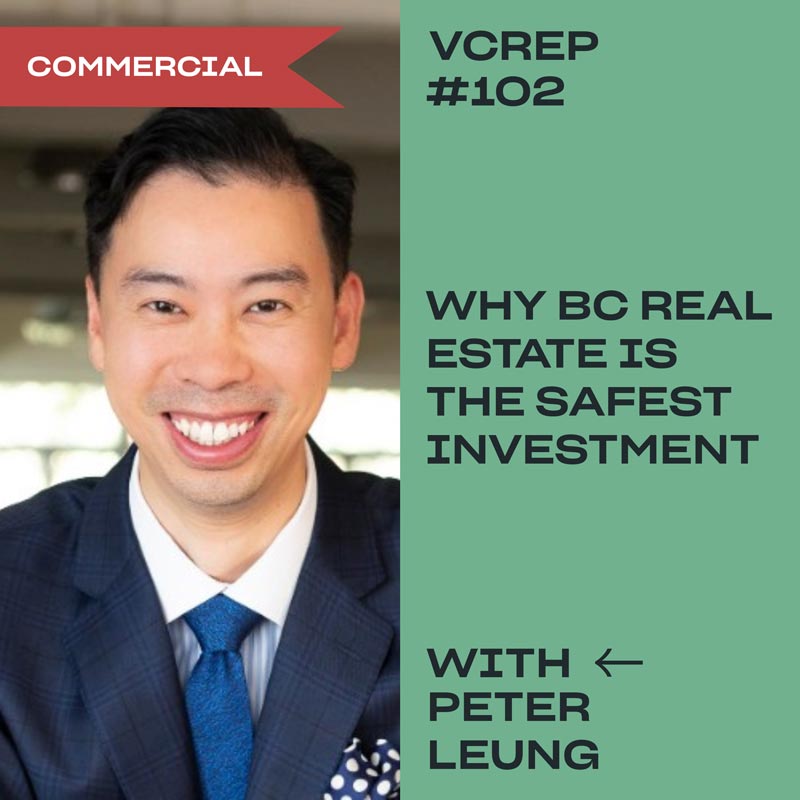
With his finger on the pulse of international markets, Peter Leung, investorpreneur and international correspondent for the show, offers unique insights that can give you a competitive edge. Discover his surprising choices on whether to buy or sell, and prepare to be astounded by his current preferred investment hotspot.
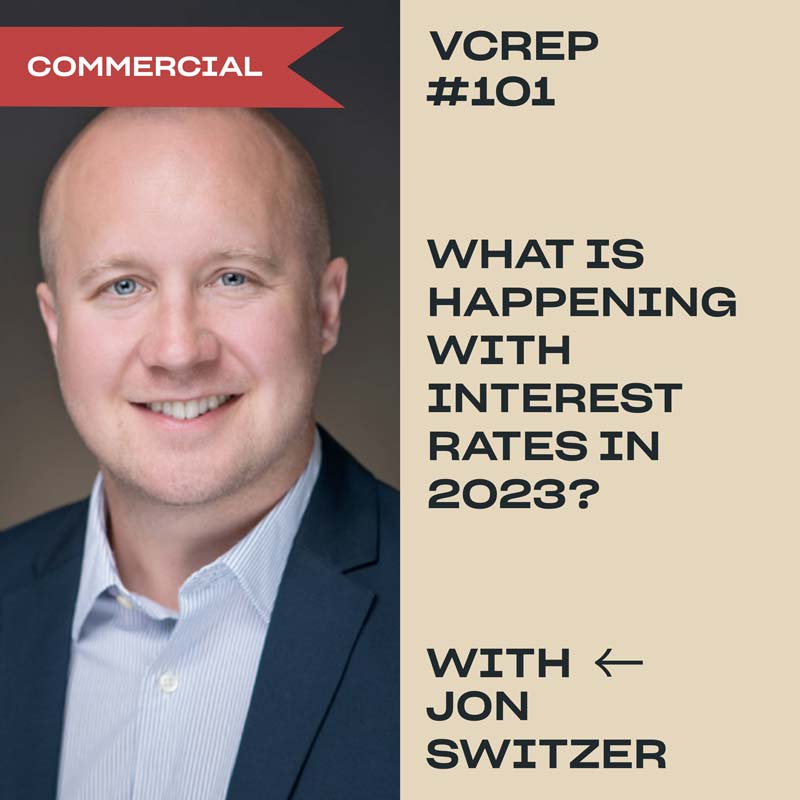
Jon Switzer, Managing Partner and Commercial Mortgage Broker at Impact Commercial, sheds light on the recent interest rate adjustments and their impact on individuals and businesses alike. Gain a deeper understanding of how these changes reverberate throughout the market and explore the potential ramifications for the local economy.
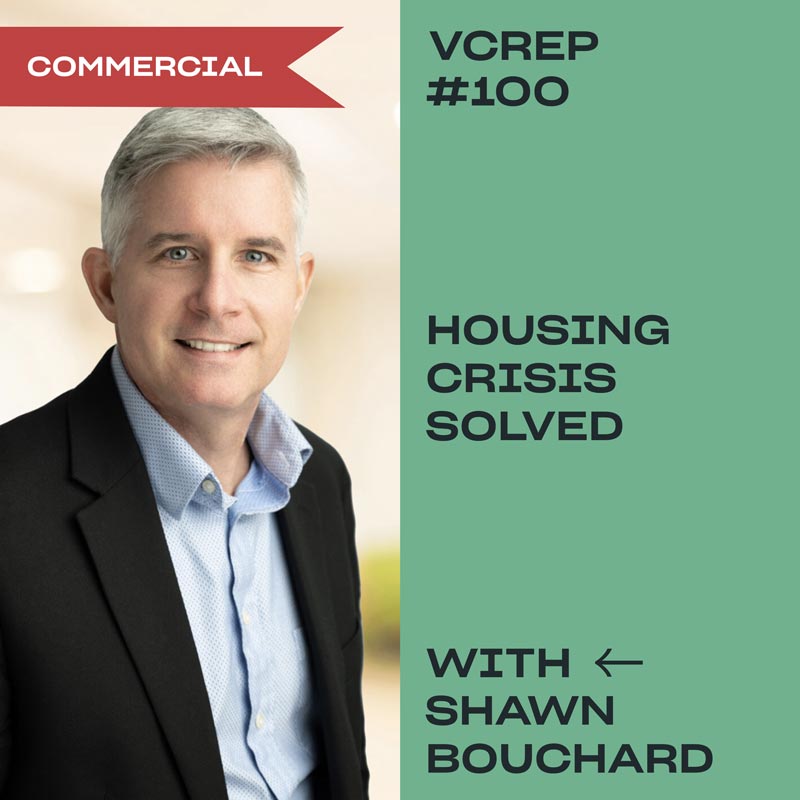
Shawn Bouchard, Chief Operating Officer of Lorval Developments, dives into the pressing issue of Vancouver's rental housing crisis, unpacking his thoughts on the root causes of the problem and offering valuable insight on potential solutions. Discover how government intervention can play a pivotal role in addressing the challenges faced by renters in Vancouver.

Lori Suba, President and Broker, and Laurae Spindler, Vice President and Associate, of Scout Real Estate revisit the market in Calgary. Lori and Laurae unpacks the different sectors of the market, as well as discusses the Calgary downtown core and shares what the future could entail for Canada’s top 2023 market.
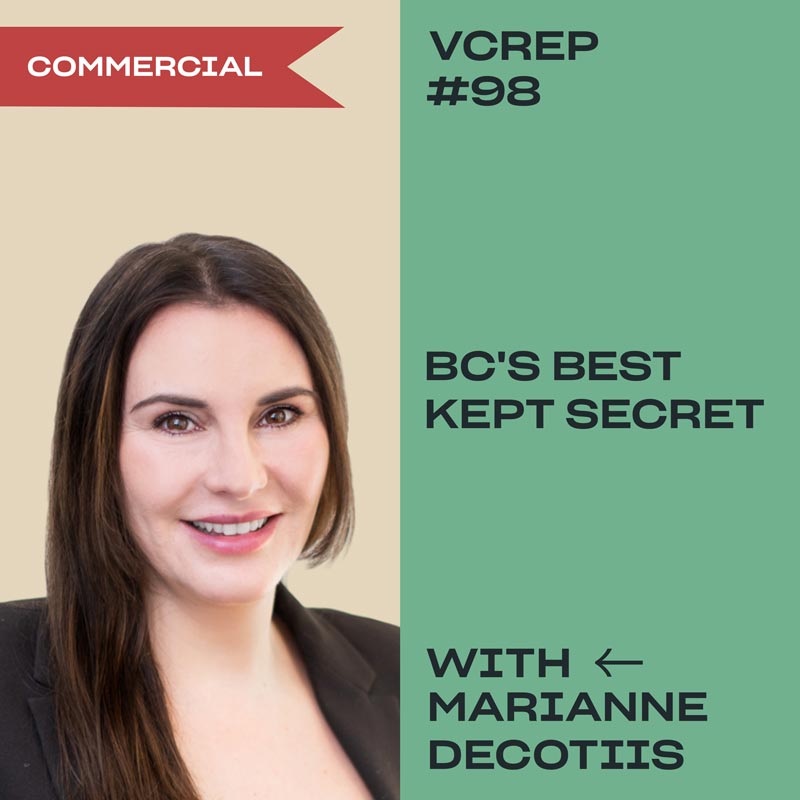
Marianne DeCotiis, commercial real estate broker at William Wright Commercial Kamloops, digs into the Kamloops market. How has the commercial market changed and developed over the past few years? What is the current state of supply? How have the operations of the commercial market shifted?

Bronwyn Scrivens of Omada Commercial unpacks Alberta market lease rates, the differences between Calgary and Edmonton when it comes to being an industrial landlord, how prices have changed, and where she would invest if she were to walk into the market today.
William Wright Commercial's very own Rod MacKay is here to give us a general update on the market. How have interest rates affected the market? How is the supply? What is the vacancy rate doing? And how is the retail market fairing after the pandemic?
Paul Sullivan, property tax expert from Ryan ULC, unpacks some potentially business saving insight as he guides us through the labyrinth of commercial property tax. What are commercial tax classes? Which areas are taxed the most and how do they work it out?
Retail expert David Ian Gray of DIG360 unwraps everything from how the retail environment has changed, why American big box brands haven't fared as well this side of the border, how technology has impacted the retail world, and his thoughts on why Nordstrom is pulling out.

Ever wonder how companies buy commercial buildings, fix them up, keep them, and then seem to buy more? Cory and Melisa walk through the 5 key indicators and steps on how you can buy value-add properties and get a 100% return on your equity in under 2 years.
For all the curious minds interested in commercial real estate investing, grab a coffee and pull up a chair because we have exclusive stories and tips from commercial real estate brokers, investors, developers, economists, urban planners, and everyone in-between. From the successes and failures to the motivations and lessons learned, the Vancouver Commercial Real Estate Podcast is your insight into commercial real estate in Vancouver, Victoria, Kelowna, and beyond.
What's the best real estate market to invest in? What are the commercial real estate asset classes and property types? Hosted by Cory Wright, founder of William Wright Commercial, and co-hosts Adam and Matt Scalena of the Vancouver Real Estate Podcast, our podcast opens the door to real estate investing for everyone from beginner investors to experienced real estate professionals. New episodes are released every Tuesday. Follow the Vancouver Commercial Real Estate Podcast on Apple Podcasts, Spotify, YouTube Music, or your favourite streaming platforms.

This communication is not intended to cause or induce breach of an existing agency agreement. E&OE: All information contained herein is from sources deemed reliable, and have no reason to doubt its accuracy; however, no guarantee or responsibility is assumed thereof, and it shall not form any part of future contracts. Properties are submitted subject to errors and omissions and all information should be carefully verified. All measurements quoted herein are approximate.
ⓒ William Wright Commercial Real Estate Services 2026
Proudly designed by Burst Creative